The patent-pending governance architecture for hyper-personalized venues.
Ten layers. Eleven cross-cutting policies.
One operating reference for theme parks, museums, cruise ships, resorts, and destination programs.
Patent-pending architecture. Authored by Maris J. Ensing.
Documented across two reference works.
The architectural decisions that determine what a venue can do are made in the program brief and the technical narrative, not at integration time. The vocabulary used in those documents shapes everything afterwards — and the vocabulary itself has changed.
A design language built for the previous generation of capability specifies displays, projectors, and speakers. A design language built for the current generation specifies what the venue should do for each guest, in each zone, under each condition. The hardware is selected to deliver the experience, not the other way around.
This matters even when the initial budget is limited. A system architected only for today’s scope is a system that will fight every future addition — sometimes by making it expensive, sometimes by making it impossible. A system architected for today’s scope and tomorrow’s probable expansion costs marginally more in the first installation and returns that cost many times over across the lifecycle. The difference is rarely about deploying more capability now. It is about preserving the option to deploy it later, on terms the project can afford.
Engaging architectural thinking at concept stage gives the project a much larger usable toolbox — personalized content delivery, accessibility as infrastructure, governed AI, programmable canvases, spatial overlay, federated coordination — and it preserves a defensible value-per-dollar trajectory across the operational lifecycle. The structural choices made early are the ones that determine what every later dollar buys.
WorldModel™ is the operating reference for that early thinking. It gives planners, owners, and design teams a structured vocabulary for specifying what they want the destination to do — both now and as needs evolve — before the choices that constrain it are locked in.
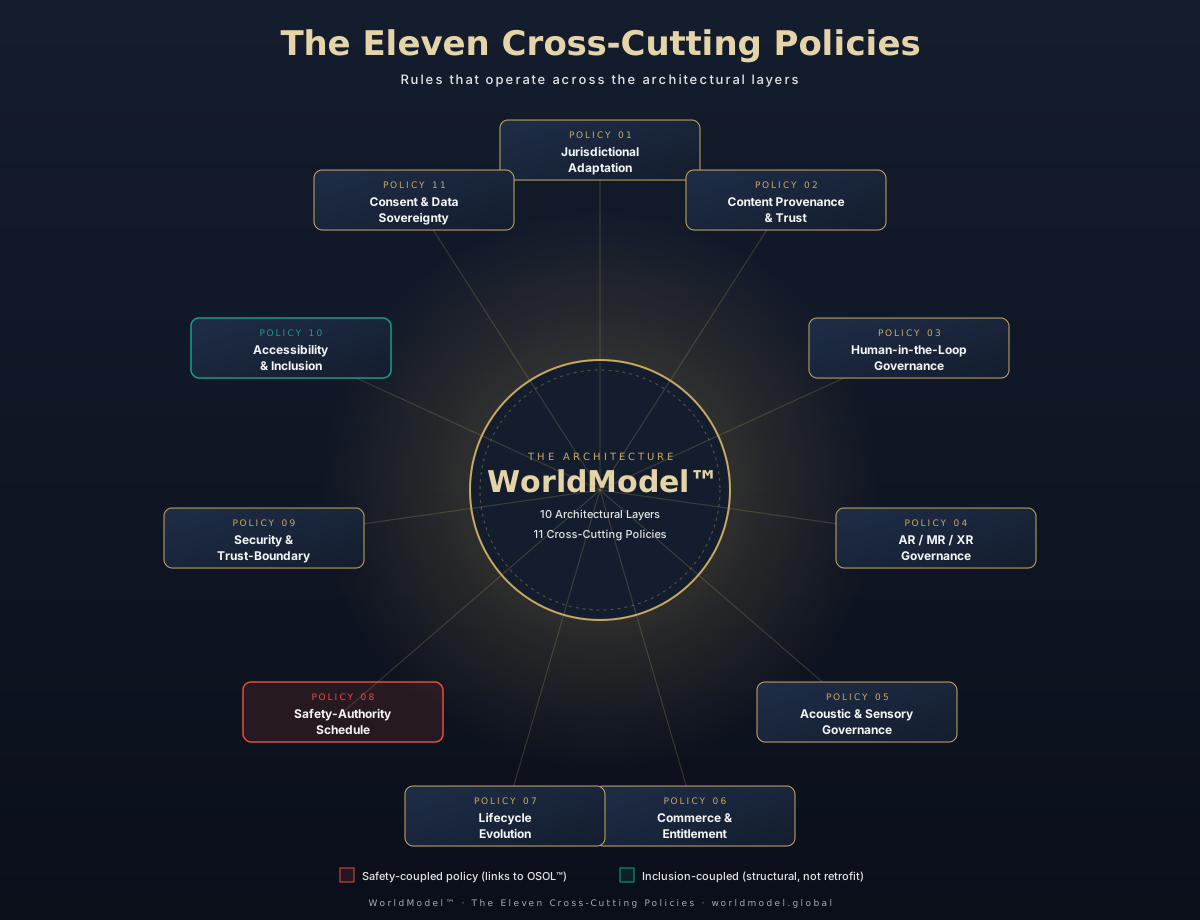
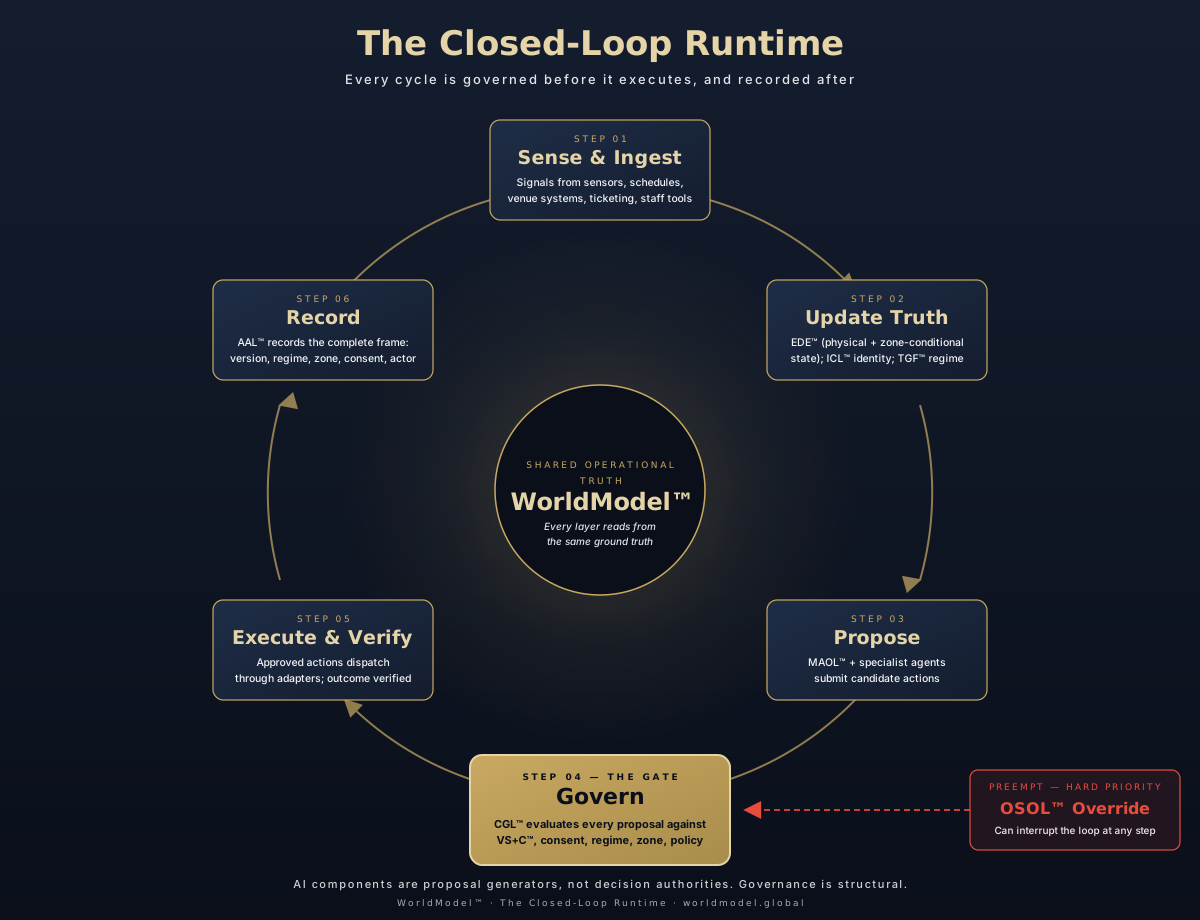
WorldModel™ runs as a closed-loop system — ten architectural layers coordinated under eleven cross-cutting policies. Every cycle is governed before it executes, and recorded after. The architecture turns intent into governed action across many vendors, many touchpoints, and a long operational lifecycle.
VS+C™ · CGL™ · TGF™ · ICL™ · EDE™ · MAOL™ · FCL™ · RGL™ · OSOL™ · AAL™
A short book for decision-makers. A complete technical reference for implementers. Together they document WorldModel™ in plain language and in working detail.
AI, privacy, and World Models — the strategic framework for venue transformation. Make the business case with confidence and frame the diligence questions that matter.
The complete technical reference for architecting consent-governed venue intelligence. Implementation patterns across forty-plus verticals.
The complete governed operating architecture for intelligent physical environments. Ten layers, eleven cross-cutting policies.
Explore architecture →Shared operational truth for consistent, governed behavior across venue systems. Conceptual depth for executive readers.
Explore the framework →The operational interface layer that makes WorldModel™ deployable across multi-vendor destinations.
Explore the OS →Key definitions and terminology for the framework. A shared vocabulary for technical and non-technical readers.
Open the glossary →Each diagram is downloadable as SVG for use in master-planning narratives, procurement documents, and citation contexts. Trademarked terms must be preserved on first use in any derivative work.
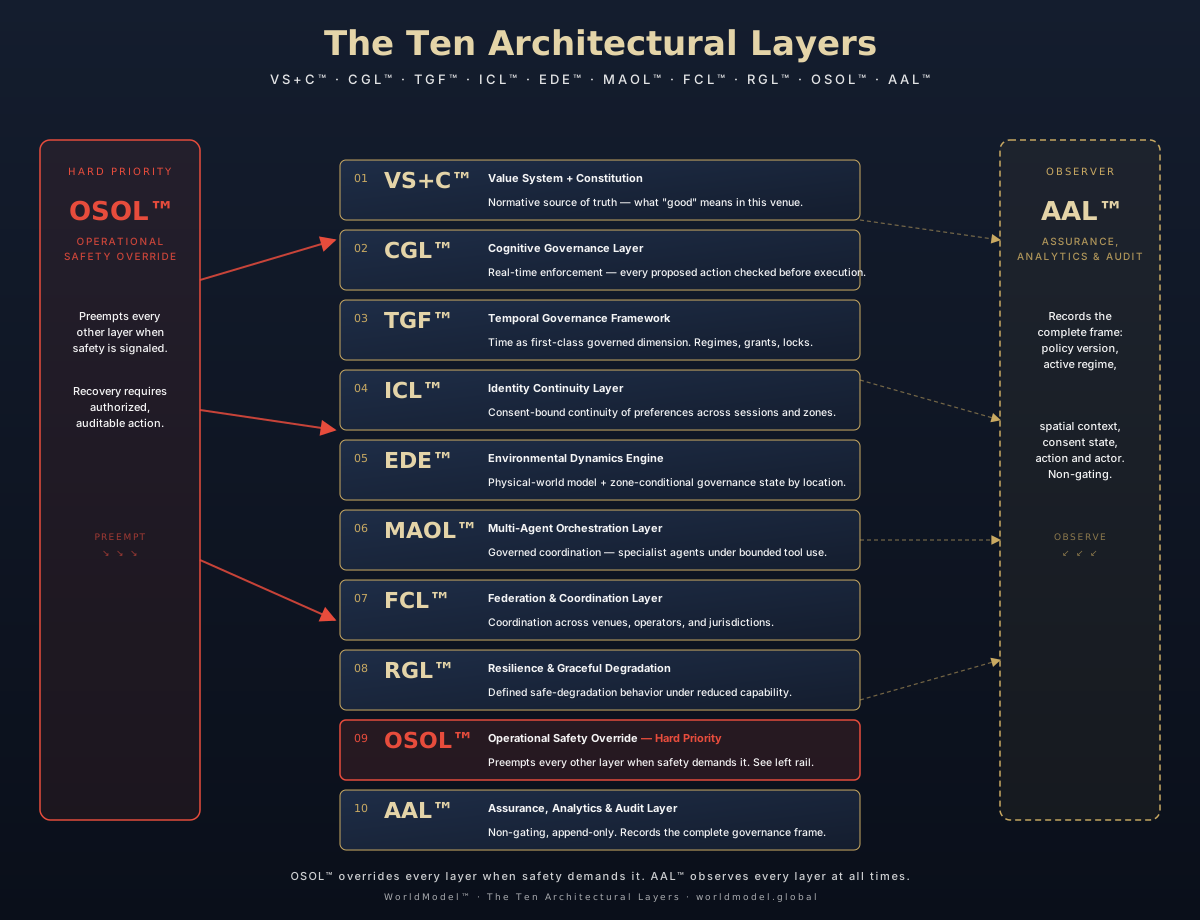
VS+C™ through AAL™, with OSOL™ hard-priority and AAL™ observer rails.
View →Radial wheel: policies that operate across every layer concurrently.
View →Six steps, one governance gate, OSOL™ preemption at any step.
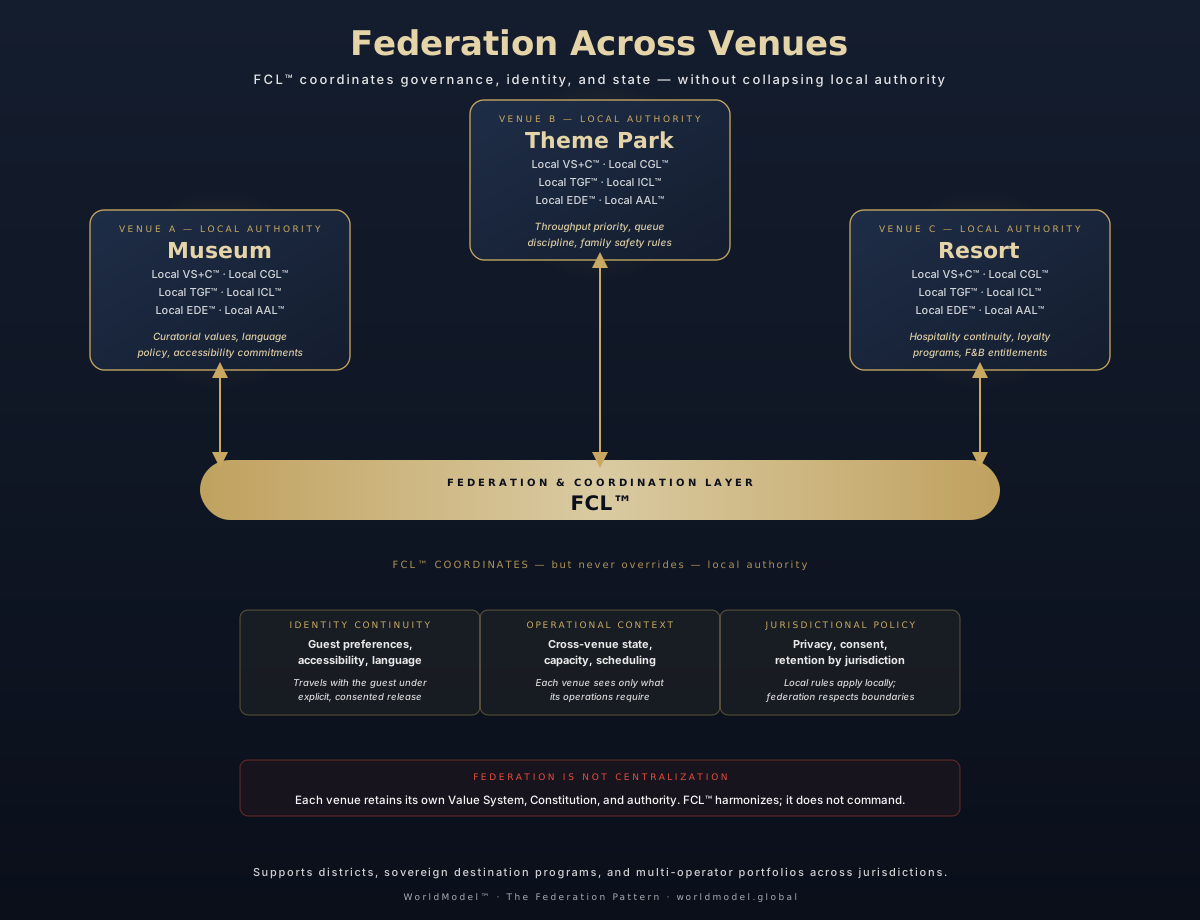
View →FCL™ coordinates across venues without collapsing local authority.
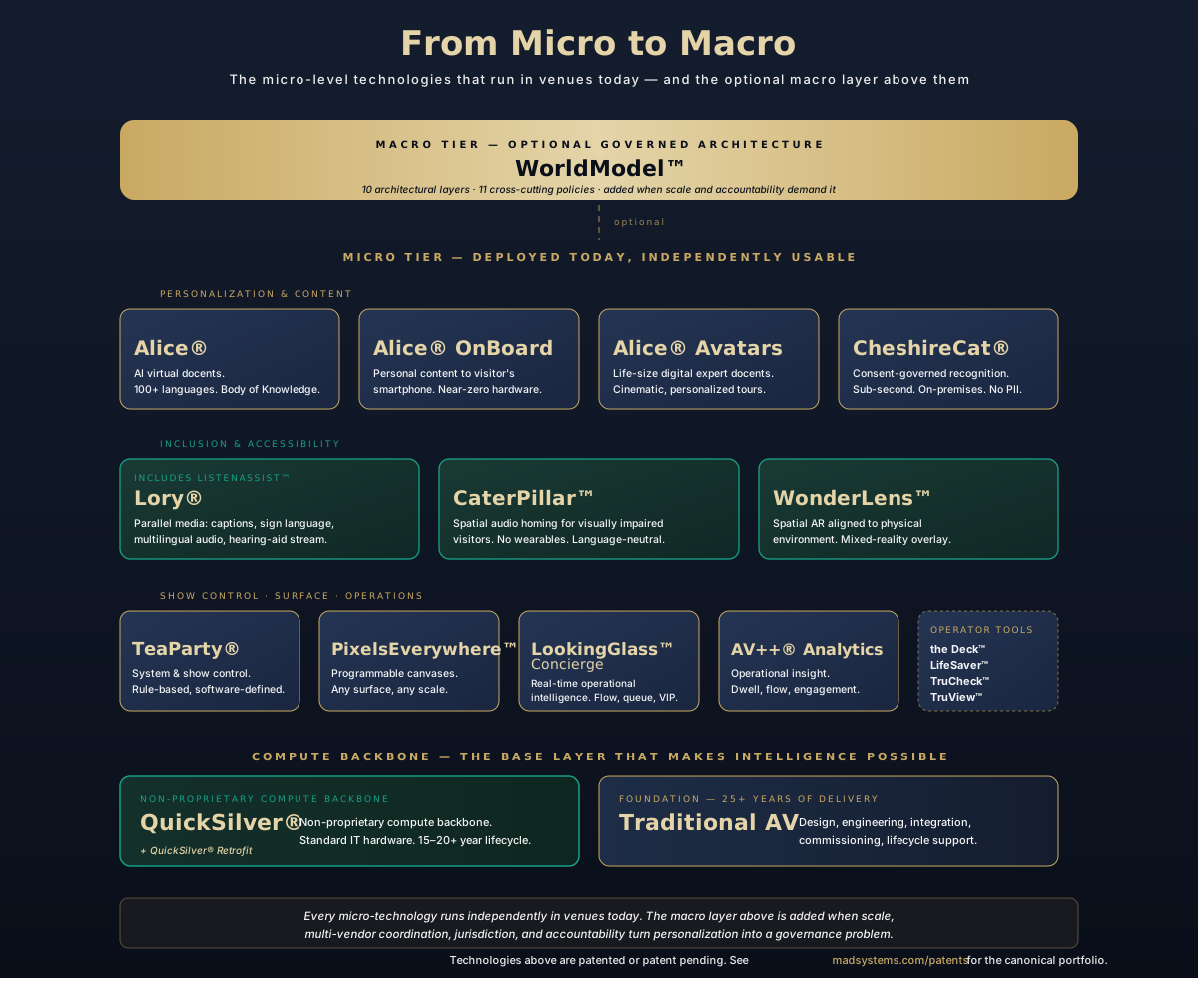
View →From micro to macro: where the micro-technology portfolio sits in relation to the framework.
View →The framework speaks to several audiences at once. Each pathway selects the material most relevant to a discipline.
What changes for the guest. What changes for staff. What changes for the board.
Read the operator view →Where your existing systems plug in. What the framework replaces and what it leaves alone.
Read the architect view →Specification-ready language. Master-planning integration. Long-lifecycle considerations.
Read the planner view →Inclusion as a system constraint, not a retrofit. The eleven cross-cutting policies in plain language.
Read the inclusion view →The future of venues is governed.
Do not wait for regulation to force the conversation. Lead with a framework that turns privacy, accessibility, and accountability into structural properties of the system itself.